
Quote by Martin Luther King, Jr.

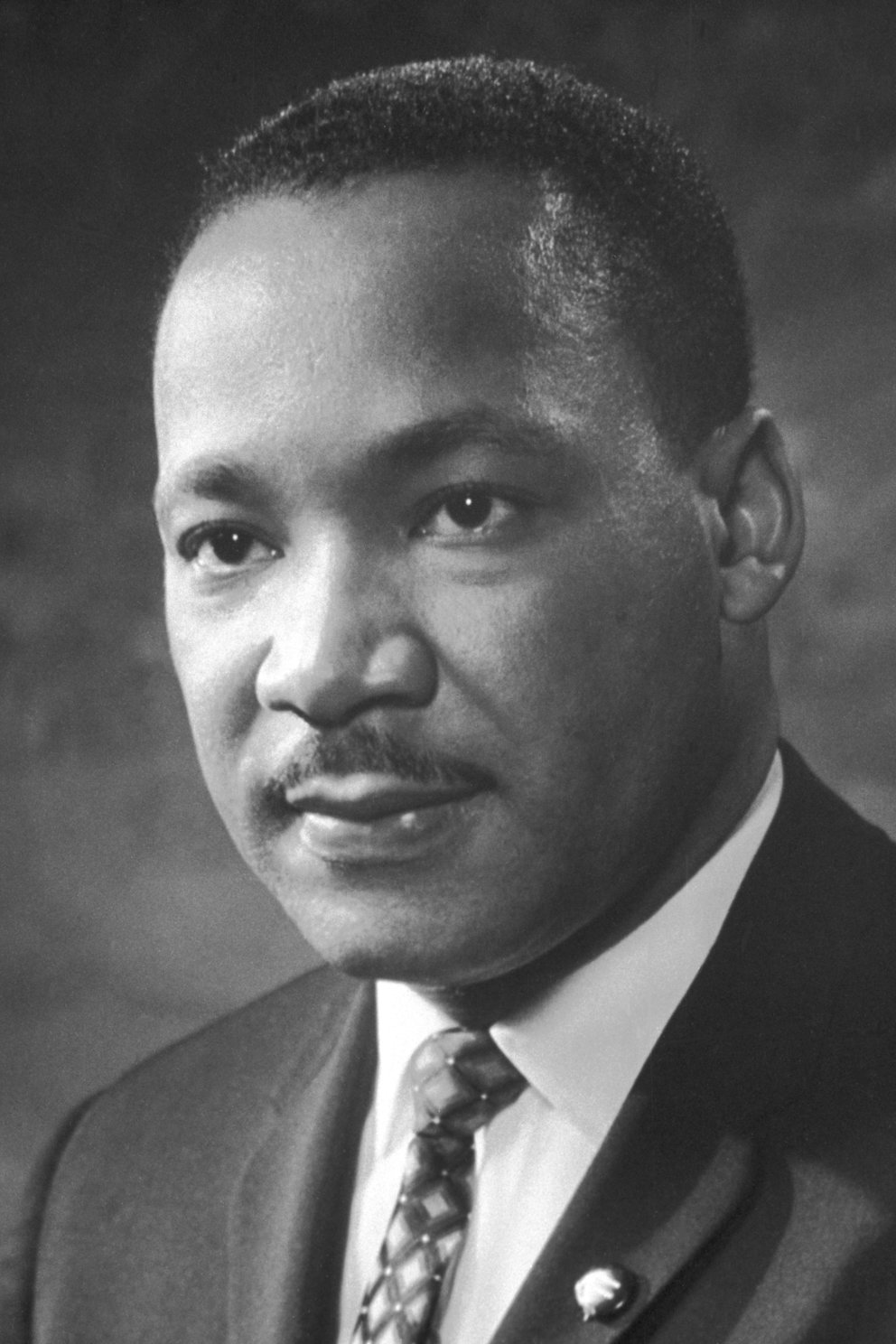
“It is understandable how this shame came into being. The nation made the black man's color a stigma. Even linguistics and semantics conspire to give this impression. If you look in Roget's Thesaurus you will find about 120 synonyms for blacK, and right down the line you will find words like smut, something dirty, worthless, and useless, and then you look further and you find about 120 synonyms for white and they all represent something high, noble, pure, chaste - right down the line. In our language structure, a white lie is a little better than a black lie. Somebody goes wrong in the family and we don't call him a white sheep, we call him a black sheep. We don't say whitemail, but blackmail. We don't speak of white-balling somebody, but black-balling somebody. The word 'black' itself in our society connotes something that is degrading. It was absolutely necessary to come to a moment with a sense of dignity. It is very positive and very necessary.”
Be the first to react on this!



Group of Brands


















© 2025 Bibleportal.com All rights reserved.
1929-1968
Martin Luther King, Jr. was an American clergyman, activist and prominent leader in the African-American civil rights movement. His main legacy was to secure progress on civil rights in the United States and he is frequently referenced as a human rights icon today.
A Baptist minister, King became a civil rights activist early in his career. He led the 1955 Montgomery Bus Boycott and helped found the Southern Christian Leadership Conference in 1957, serving as its first president. King's efforts led to the 1963 March on Washington, where King delivered his "I Have a Dream" speech. There, he raised public consciousness of the civil rights movement and established himself as one of the greatest orators in U.S. history.
King's main legacy was to secure progress on civil rights in the United States, which has enabled more Americans to reach their potential.