
Inspirational Quotes on Democracy

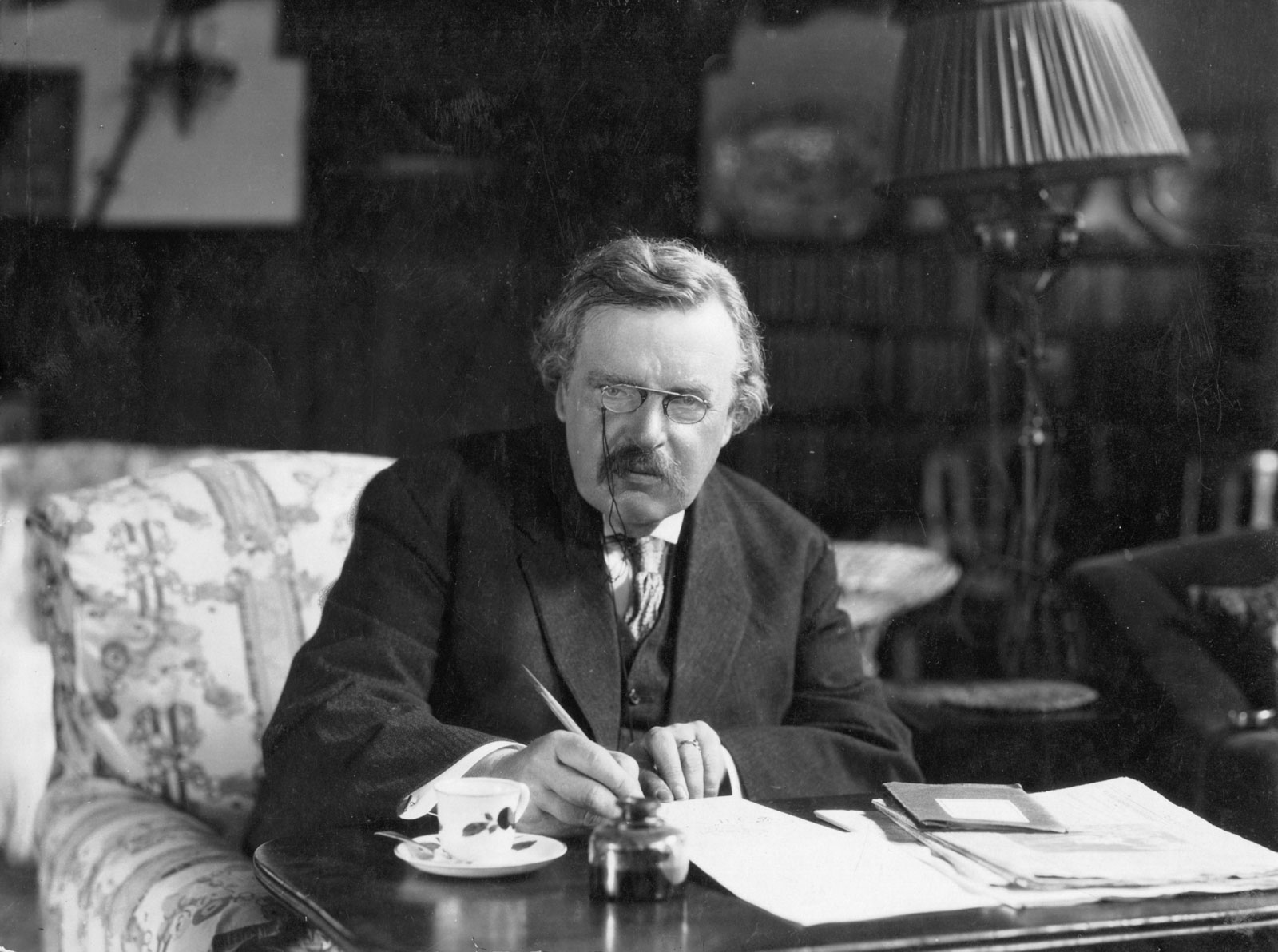
“the things common to all men are more important than the things peculiar to any men. Ordinary things are more valuable than extraordinary things; nay, they are more extraordinary. Man is something more awful than men; something more strange. The sense of the miracle of humanity itself should be always more vivid to us than any marvels of power, intellect, art, or civilization. The mere man on two legs, as such, should be felt as something more heartbreaking than any music and more startling than any caricature. Death is more tragic even than death by starvation. Having a nose is more comic even than having a Norman nose. This is the first principle of democracy: that the essential things in men are the things they hold in common, not the things they hold separately. And the second principle is merely this: that the political instinct or desire is one of these things which they hold in common. Falling in love is more poetical than dropping into poetry. The democratic contention is that government (helping to rule the tribe) is a thing like falling in love, and not a thing like dropping into poetry. It is not something analogous to playing the church organ, painting on vellum, discovering the North Pole (that insidious habit), looping the loop, being Astronomer Royal, and so on. For these things we do not wish a man to do at all unless he does them well. It is, on the contrary, a thing analogous to writing one's own love-letters or blowing one's own nose. These things we want a man to do for himself, even if he does them badly.”
― G.K. Chesterton ,
from Orthodoxy
“We want the will of the people, not the votes of the people; and to give a man a vote against his will is to make voting more important than the democracy it declares.”
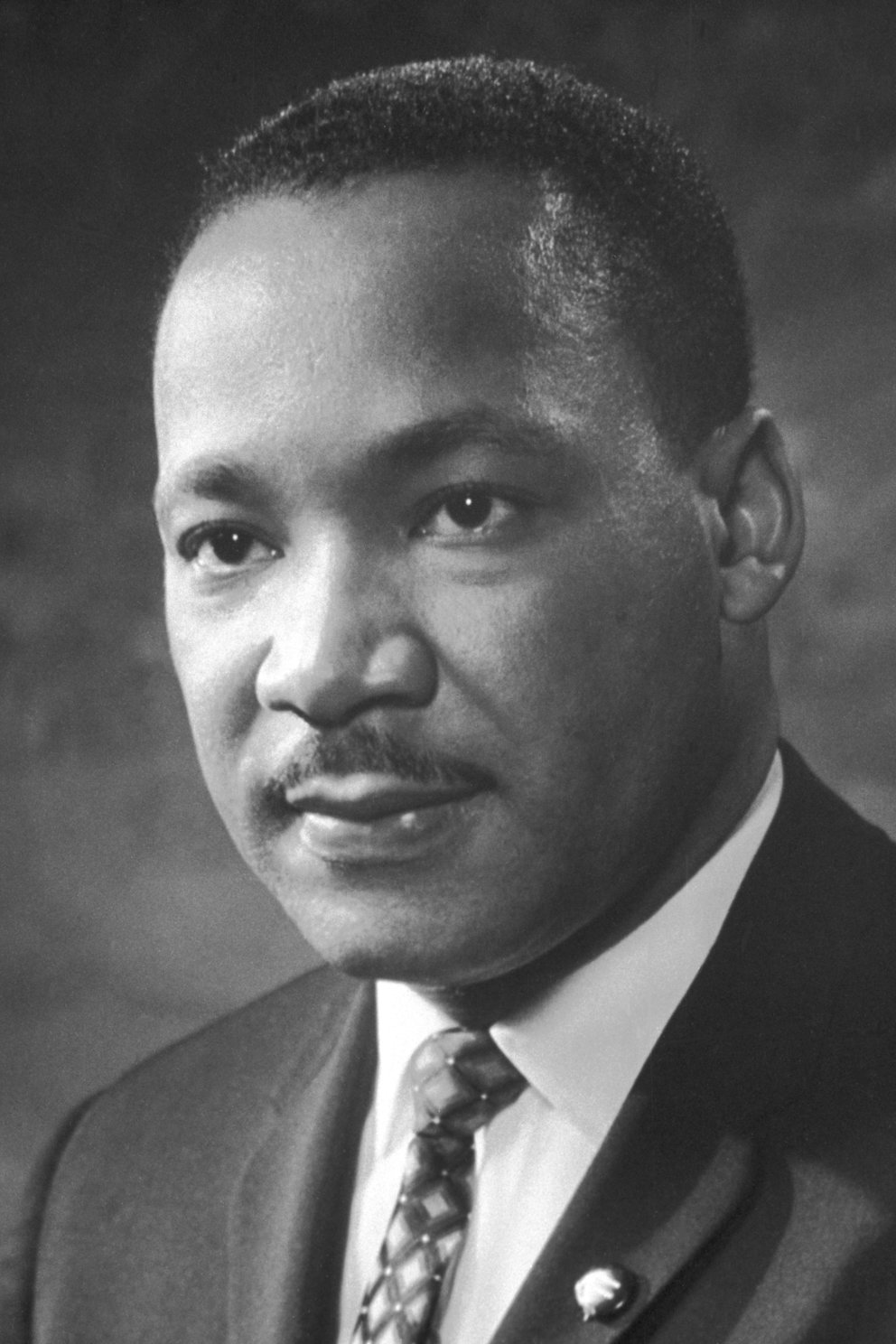
“I always contended that we as a race must not seek to rise from a position of disadvantage to one of advantage, but to create a moral balance in society where democracy and brotherhood would be reality for all men.”
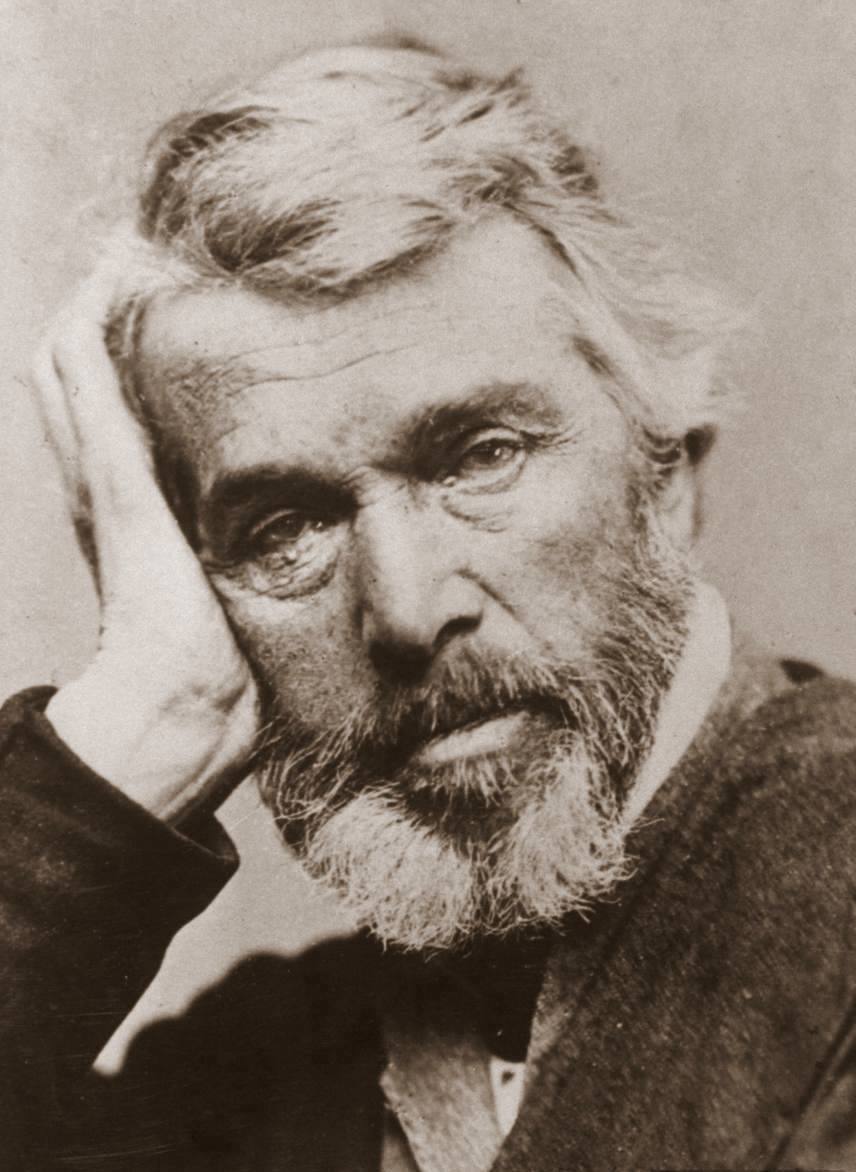
“What is Democracy; this huge inevitable Product of the Destinies, which is everywhere the portion of our Europe in these latter days? There lies the question for us. Whence comes it, this universal big black Democracy; whither tends it; what is the meaning of it? A meaning it must have, or it would not be here. If we can find the right meaning of it, we may, wisely submitting or wisely resisting and controlling, still hope to live in the midst of it; if we cannot find the right meaning, if we find only the wrong or no meaning in it, to live will not be possible!—The whole social wisdom of the Present Time is summoned, in the name of the Giver of Wisdom, to make clear to itself, and lay deeply to heart with an eye to strenuous valiant practice and effort, what the meaning of this universal revolt of the European Populations, which calls itself Democracy, and decides to continue permanent, may be.”
― Thomas Carlyle ,
from Latter-Day Pamphlets
“It is the reason, alone, of the public, that ought to control and regulate the government. The passions ought to be controlled and regulated by the government.”

“Ohne Gedankenfreiheit gibt es keine Weisheit. Und ohne Redefreiheit keine öffentliche Freiheit.”

“The demand for equality has two sources; one of them is among the noblest, the other is the basest, of human emotions. The noble source is the desire for fair play. But the other source is the hatred of superiority. At the present moment it would be very unrealistic to overlook the importance of the latter.”
“In framing a government which is to be administered by men over men, the great difficulty lies in this: you must first enable the government to control the governed; and in the next place oblige it to control itself.”

“Yes, our country has its shortcomings, but there's no moral equivalency between democracy and totalitarianism…There's no moral equivalency between propaganda and the truth.”
topics: democracy , inspirational , moralequivalency , morality , propaganda , reagan , ronaldreagan , totalitarianism , truth

“As the American Patriots imagined it, a federal relationship would be a kind of confession of first principles or covenant that would allow states to bind themselves together substantially without entirely subsuming their sundry identities. The federal nature of the American Constitutional covenant would enable the nation to function as a republic – thus specifically avoiding the dangers of a pure democracy. Republics exercise governmental authority through mediating representatives under the rule of law. Pure democracies on the other hand exercise governmental authority through the imposition of the will of the majority without regard for the concerns of any minority – thus allowing law to be subject to the whims, fashions, and fancies of men. The Founders designed federal system of the United States so that the nation could be, as John Adams described it, a “government of law, not of men.” The Founders thus expressly and explicitly rejected the idea of a pure democracy, just as surely as totalitarian monarchy, because as James Madison declared “democracies have ever been spectacles of turbulence and contention; have ever been found incompatible with personal security, or the rights of property; and have in general been as short in their lives, as they have been violent in their deaths.” The rule of the majority does not always respect the rule of law, and is as turbulent as the caprices of political correctness or dictatorial autonomy. Indeed, history has proven all too often that democracy is particularly susceptible to the urges and impulses of mobocracy.”
“Men in western governments who were themselves are often modern men, did not understand that freedom without chaos is not a magic formula which can be implanted anywhere. Rather, being modern men, it was their view that, because human race had evolved to a certain level by some such year as 1950, democracy could be planted anywhere from the outside. They had carefully closed their eyes to the fact that freedom without chaos had come forth from a Christian base. They did not understand that freedom without chaos could not be separated from its roots. (…) Many countries where democracy has been imposed from the outside or from top downward, authoritarianism has increasingly become the rule of the day”
“Democracy, on this new occasion, finds all Kings conscious that they are but Play-actors.”
― Thomas Carlyle ,
from Latter-Day Pamphlets
topics: democracy
“Democracy, it may be said everywhere, is here:—for sixty years now, ever since the grand or First French Revolution, that fact has been terribly announced to all the world; in message after message, some of them very terrible indeed; and now at last all the world ought really to believe it. That the world does believe it; that even Kings now as good as believe it, and know, or with just terror surmise, that they are but temporary phantasm Play-actors, and that Democracy is the grand, alarming, imminent and indisputable Reality: this, among the scandalous phases we witnessed in the last two years, is a phasis full of hope: a sign that we are advancing closer and closer to the very Problem itself, which it will behoove us to solve or die; that all fighting and campaigning and coalitioning in regard to the existence of the Problem, is hopeless and superfluous.”
― Thomas Carlyle ,
from Latter-Day Pamphlets
“I am a democrat [proponent of democracy] because I believe in the Fall of Man. I think most people are democrats for the opposite reason.”
“If we fail now, we shall have forgotten in abundance what we learned in hardship: that democracy rests on faith, that freedom asks more than it gives, and that the judgment of God is harshest on those who are most favored.”
“The Universe itself is a Monarchy and Hierarchy; large liberty of "voting" there, all manner of choice, utmost free-will, but with conditions inexorable and immeasurable annexed to every exercise of the same. A most free commonwealth of "voters;" but with Eternal Justice to preside over it, Eternal Justice enforced by Almighty Power!”
― Thomas Carlyle ,
from Latter-Day Pamphlets
“But the worshippers and admirers of these gods delight in imitating their scandalous iniquities, and are nowise concerned that the republic be less depraved and licentious. Only let it remain undefeated, they say, only let it flourish and abound in resources; let it be glorious by its victories, or still better, secure in peace; and what matters it to us? This is our concern, that every man be able to increase his wealth so as to supply his daily prodigalities, and so that the powerful may subject the weak for their own purposes. Let the poor court the rich for a living, and that under their protection they may enjoy a sluggish tranquillity; and let the rich abuse the poor as their dependants, to minister to their pride. Let the people applaud not those who protect their interests, but those who provide them with pleasure. Let no severe duty be commanded, no impurity forbidden. Let kings estimate their prosperity, not by the righteousness, but by the servility of their subjects. Let the provinces stand loyal to the kings, not as moral guides, but as lords of their possessions and purveyors of their pleasures; not with a hearty reverence, but a crooked and servile fear. Let the laws take cognizance rather of the injury done to another man's property, than of that done to one's own person. If a man be a nuisance to his neighbor, or injure his property, family, or person, let him be actionable; but in his own affairs let everyone with impunity do what he will in company with his own family, and with those who willingly join him. Let there be a plentiful supply of public prostitutes for every one who wishes to use them, but specially for those who are too poor to keep one for their private use. Let there be erected houses of the largest and most ornate description: in these let there be provided the most sumptuous banquets, where every one who pleases may, by day or night, play, drink, vomit, dissipate. Let there be everywhere heard the rustling of dancers, the loud, immodest laughter of the theatre; let a succession of the most cruel and the most voluptuous pleasures maintain a perpetual excitement. If such happiness is distasteful to any, let him be branded as a public enemy; and if any attempt to modify or put an end to it let him be silenced, banished, put an end to. Let these be reckoned the true gods, who procure for the people this condition of things, and preserve it when once possessed. Let them be worshipped as they wish; let them demand whatever games they please, from or with their own worshippers; only let them secure that such felicity be not imperilled by foe, plague, or disaster of any kind. What sane man would compare a republic such as this, I will not say to the Roman empire, but to the palace of Sardanapalus, the ancient king who was so abandoned to pleasures, that he caused it to be inscribed on his tomb, that now that he was dead, he possessed only those things which he had swallowed and consumed by his appetites while alive? If these men had such a king as this, who, while self-indulgent, should lay no severe restraint on them, they would more enthusiastically consecrate to him a temple and a flamen than the ancient Romans did to Romulus.”
topics: christianity , democracy , ethics , liberalism , libertarianism , libertines , morality , non-aggression-principle , prophetic , secularism



Group of Brands


















© 2026 Bibleportal.com All rights reserved.