
Inspirational Quotes on Slavery

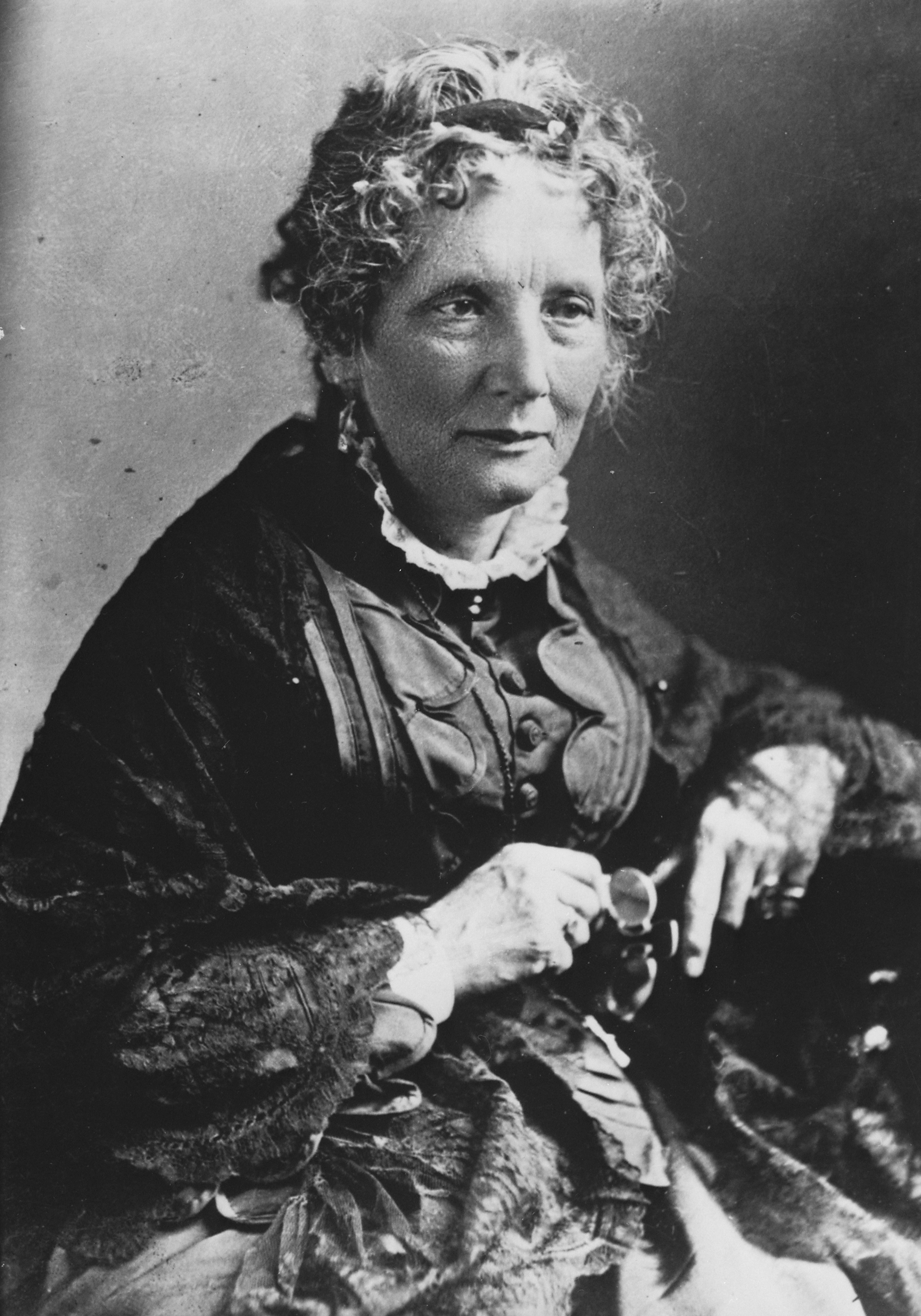
“...all that can, all that need be urged, in the form of expostulation, entreaty, rebuke, against that crime of crimes,--making man the property of his fellow-man! O, how accursed is that system, which entombs the godlike mind of man, defaces the divine image, reduces those who by creation were crowned with glory and honor to a level with four-footed beasts, and exalts the dealer in human flesh above all that is called God! Why should its existence be prolonged one hour? Is it not evil, only evil, and that continually? What does its presence imply but the absence of all fear of God, all regard for man, on the part of the people of the United States? Heaven speed its eternal overthrow!”
“Just at this point of my progress, Mr. Auld found out what was going on, and at once forbade Mrs. Auld to instruct me further, telling her, among other things, that it was unlawful, as well as unsafe, to teach a slave to read. To use his own words, further, he said, "If you give a [n****r] an inch, he will take an ell. A [n****r] should know nothing but to obey his master--to do as he is told to do. Learning would the best [n****r] in the world. Now," said he, "if you teach that [n****r] (speaking of myself) how to read, there would be no keeping him. It would forever unfit him to be a slave. He would at once become unmanageable, and of no value to his master. As to himself, it could do him no good, but a great deal of harm. It would make him discontented and unhappy.”
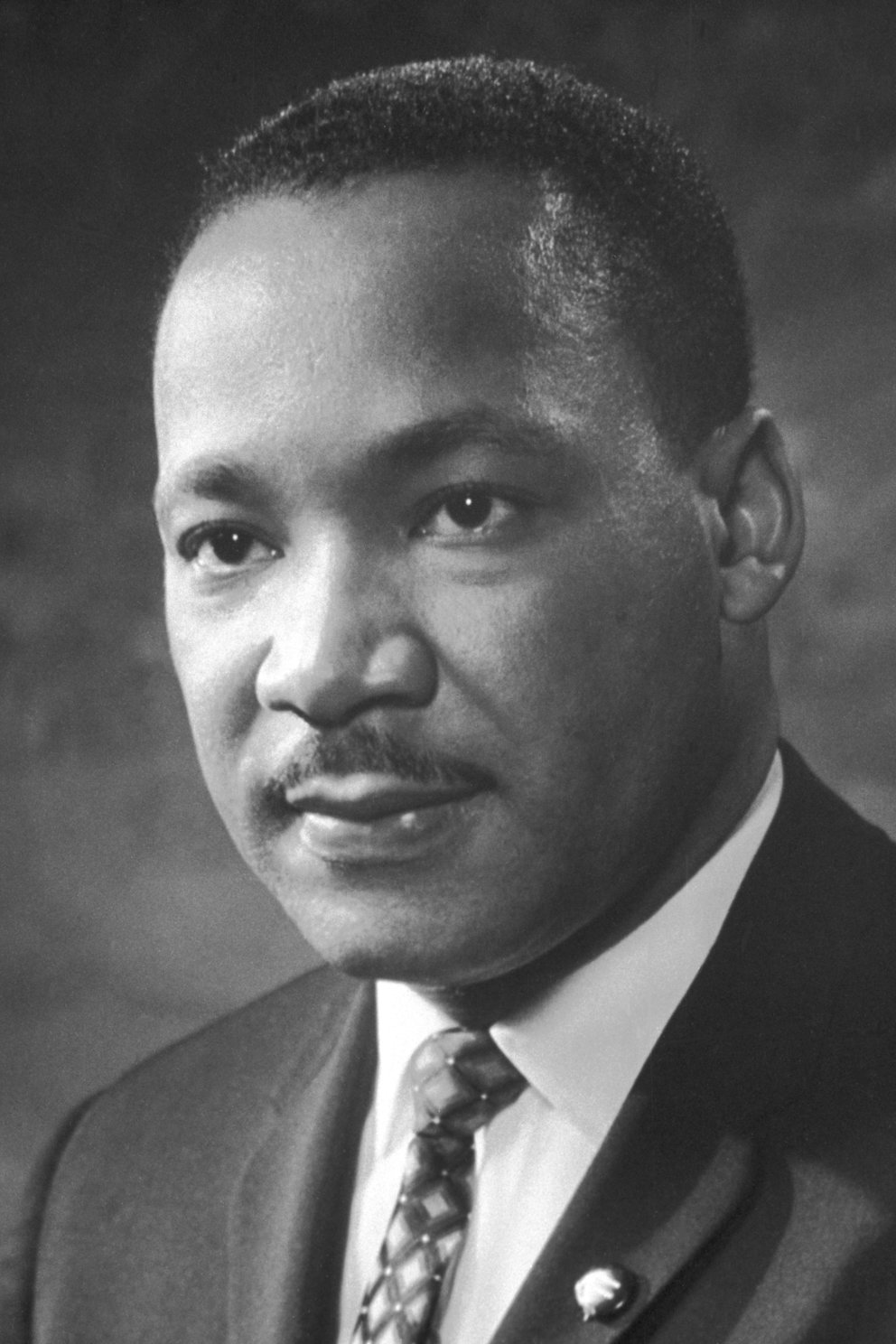
“Many poor whites, however, were the derivative victims of slavery. As long as labor was cheapened by the involuntary servitude of the black man, the freedom of white labor, especially in the South, was little more than a myth. it was free only to bargain from the depressed base imposed by slavery on the whole labor market. Nor did this derivative bondage end when formal slavery gave way to the de-facto slavery of discrimination. To this day the white poor also suffer deprivation and the humiliation of poverty if not of color.”
― Martin Luther King, Jr. ,
from Why We Can't Wait
“I find, since reading over the foregoing Narrative that I have, in several instances, spoken in such a tone and manner, respecting religion, as may possibly lead those unacquainted with my religious views to suppose me an opponent of all religion. To remove the liability of such misapprehension, I deem it proper to append the following brief explanation. What I have said respecting and against religion, I mean strictly to apply to the of this land, and with no possible reference to Christianity proper; for, between the Christianity of this land, and the Christianity of Christ, I recognize the widest possible difference—so wide, that to receive the one as good, pure, and holy, is of necessity to reject the other as bad, corrupt, and wicked. To be the friend of the one, is of necessity to be the enemy of the other. I love the pure, peaceable, and impartial Christianity of Christ: I therefore hate the corrupt, slaveholding, women-whipping, cradle-plundering, partial and hypocritical Christianity of this land. Indeed, I can see no reason, but the most deceitful one, for calling the religion of this land Christianity. I look upon it as the climax of all misnomers, the boldest of all frauds, and the grossest of all libels.”
“Slavery proved as injurious to her as it did to me. When I went there, she was a pious, warm, and tender-hearted woman. There was no sorrow or suffering for which she had not a tear. She had bread for the hungry, clothes for the naked, and comfort for every mourner that came within her reach. Slavery soon proved its ability to divest her of these heavenly qualities. Under its influence, the tender heart became stone, and the lamblike disposition gave way to one of tiger-like fierceness.”
topics: slavery
“His reply was, (as well as I can remember,) that Demby had become unmanageable. He was setting a dangerous example to the other slaves,--one which, if suffered to pass without some such demonstration on his part, would finally lead to the total subversion of all rule and order upon the plantation. He argued that if one slave refused to be corrected, and escaped with his life, the other slaves would soon copy the example; the result of which would be, the freedom of the slaves, and the enslavement of the whites.”
“...it is nevertheless plain that a very different-looking class of people are springing up at the south, and are now held in slavery, from those originally brought to this country from Africa; and if their increase will do no other good, it will do away the force of the argument, that God cursed Ham, and therefore American slavery is right. If the lineal descendants of Ham are alone to be scripturally enslaved, it is certain that slavery at the south must soon become unscriptural; for thousands are ushered into the world, annually, who, like myself, owe their existence to white fathers, and those fathers most frequently their own masters.”

“For the sake of method, I could wish to consider the African trade,—first, with regard to the effect it has upon our own people ; and secondly, as it concerns the blacks, or, as they are more contemptuously styled, the negro slaves, whom we purchase upon the coast. But these two topics are so interwoven together, that it will not be easy to keep them exactly separate. ... When I have charged a black with unfairness and dishonesty, he has answered, if able to clear himself, with an air of disdain, " What! do you think I am a white man ?" Such is the nature, such are the concomitants, of the slave trade... Will not sound policy suggest the necessity of some expedient here?”
“He was as bold as a lion about it, and 'mightily convinced' not only himself, but everybody that heard him;—but then his idea of a fugitive was only an idea of the letters that spell the word,—or at the most, the image of a little newspaper picture of a man with a stick and bundle, with "Ran away from the subscriber" under it. The magic of the real presence of distress,—the imploring human eye, the frail, trembling human hand, the despairing appeal of helpless agony,—these he had never tried. He had never thought that a fugitive might be a hapless mother, a defenseless child,—like that one which was now wearing his lost boy's little well-known cap; and so, as our poor senator was not stone or steel,—as he was a man, and a downright noble-hearted one, too,—he was, as everybody must see, in a sad case for his patriotism.”
“Her husband’s suffering and dangers, and the danger of her child, all blended in her mind, with a confused and stunning sense of the risk she was running, in leaving the only home she had ever known, and cutting loose from the protection of a friend whom she loved and revered. Then there was the parting from every familiar object,—the place where she had grown up, the trees under which she had played, the groves where she had walked many an evening in happier days, by the side of her young husband,—everything, as it lay in the clear, frosty starlight, seemed to speak reproachfully to her, and ask her whither could she go from a home like that?”
topics: slavery

“From the day of our founding, we have proclaimed that every man and woman on this earth has rights, and dignity, and matchless value because they bear the image of the Maker of heaven and earth. Across the generations we have proclaimed the imperative of self-government, because no one is fit to be a master, and no one deserves to be a slave.”
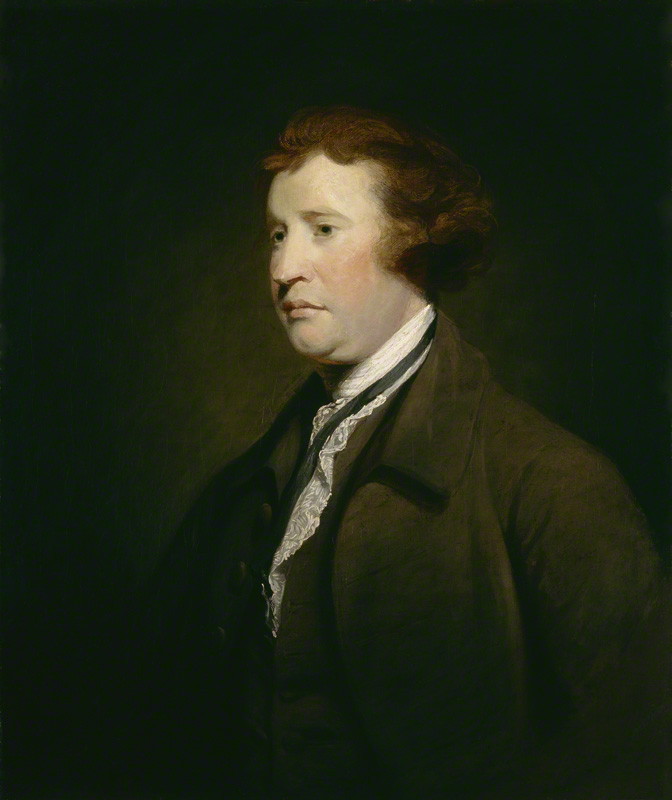
“He has said that the Americans are our children, and how can they revolt against their parent? He says, that, if they are not free in their present state, England is not free; because Manchester, and other considerable places, are not represented. So, then, because some towns in England are not represented, America is to have no representative at all. They are "our children"; but when children ask for bread, we are not to give a stone. Is it because the natural resistance of things, and the various mutations of time, hinders our government, or any scheme of government, from being any more than a sort of approximation to the right, is it therefore that the colonies are to recede from it infinitely? When this child of ours wishes to assimilate to its parent, and to reflect with a true filial resemblance the beauteous countenance of British liberty, are we to turn to them the shameful parts of our constitution? are we to give them our weakness for their strength, our opprobrium for their glory, and the slough of slavery, which we are not able to work off, to serve them for their freedom?”

“It sets one dreaming—to interchange thoughts with beings whose thinking had an organic background wholly different from ours (other senses, other appetites), to be unenviously humbled by intellects possibly superior to our own yet able for that very reason to descend to our level, to descend lovingly ourselves if we met innocent and childlike creatures who could never be as strong or as clever as we, to exchange with the inhabitants of other worlds that especially keen and rich affection which exists between unlikes; it is a glorious dream. But make no mistake. It is a dream. We are fallen. We know what our race does to strangers. Man destroys or enslaves every species he can. Civilized man murders, enslaves, cheats, and corrupts savage man. Even inanimate nature he turns into dust bowls and slag-heaps. There are individuals who don’t. But they are not the sort who are likely to be our pioneers in space. Our ambassador to new worlds will be the needy and greedy adventurer or the ruthless technical expert. They will do as their kind has always done. What that will be if they meet things weaker than themselves, the black man and the red man can tell. If they meet things stronger, they will be, very properly, destroyed.”

“... laws of changeless justice bind Oppressor with oppressed; And, close as sin and suffering joined, We march to Fate abreast.”



Group of Brands


















© 2026 Bibleportal.com All rights reserved.