
Quote by Matthew Henry

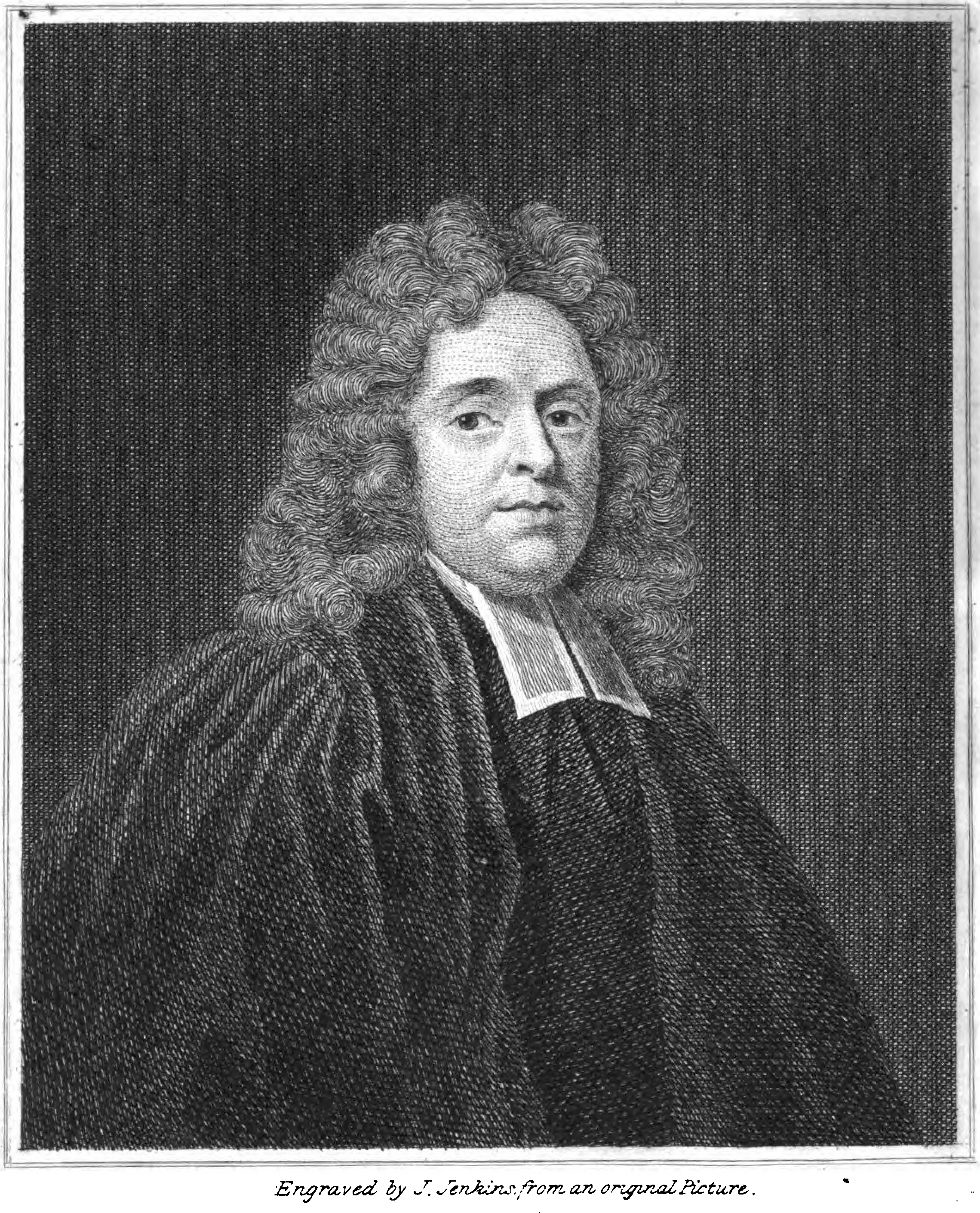
“If the solemnities of our fasting, though frequent, long, and severe, do not serve to put an edge upon devout affections, to quicken prayer, to increase Godly sorrow, and to alter the temper of our minds, and the course of our lives, for the better, they do not at all answer the intention, and God will not accept them as performed to Him.”
topics: Fasting
Be the first to react on this!



Group of Brands


















© 2025 Bibleportal.com All rights reserved.
Henry's well-known Exposition of the Old and New Testaments (1708-1710) is a commentary of a practical and devotional rather than of a critical kind, covering the whole of the Old Testament, and the Gospels and Acts in the New Testament. After the author's death, the work was finished by a number of ministers, and edited by George Burder and John Hughes in 1811. Not a work of textual criticism, its attempt at good sense, discrimination, its high moral tone and simple piety with practical application, combined with the well-sustained flow of its English style, made it one of the most popular works of its type. Matthew Henry's six volume Complete Commentary, originally published in 1706, provides an exhaustive verse by verse study of the Bible. His commentaries are still in use to this day.