
Quote by G.K. Chesterton

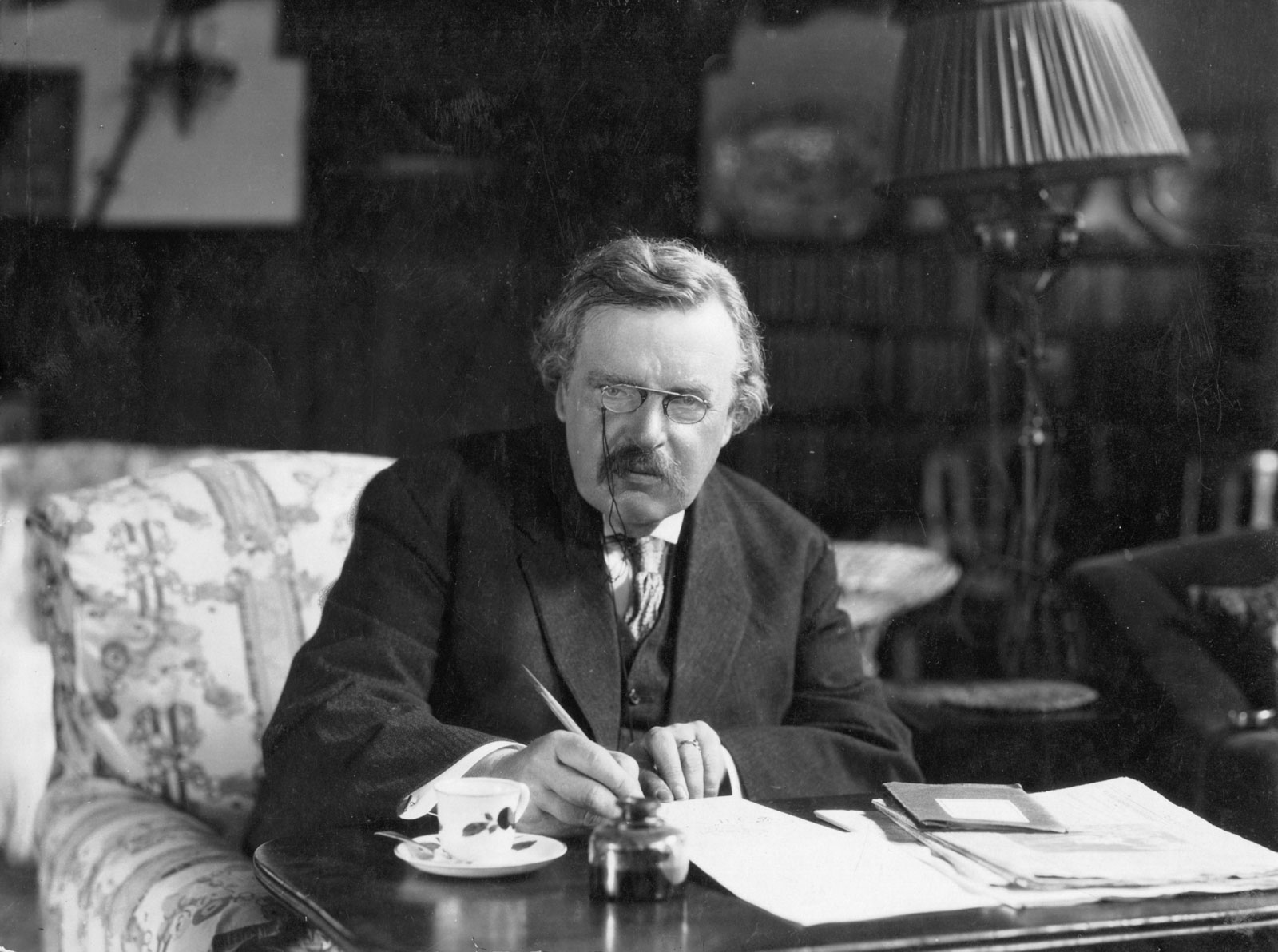
“Graham of Claverhouse, you know, who persecuted the Covenanters and had a black horse that could ride straight up a precipice. Don’t you know he could only be shot with a silver bullet, because he had sold himself to the Devil? That’s one comfort about you; at least you know enough to believe in the Devil.’ ‘Oh, yes,’ replied Father Brown, ‘I believe in the Devil. What I don’t believe in is the Dundee. I mean the Dundee of Covenanting legends, with his nightmare of a horse. John Graham was simply a seventeenth-century professional soldier, rather better than most. If he dragooned them it was because he was a dragoon, but not a dragon. Now my experience is that it’s not that sort of swaggering blade who sells himself to the Devil. The devil-worshippers I’ve known were quite different. Not to mention names, which might cause a social flutter, I’ll take a man in Dundee’s own day. Have you ever heard of Dalrymple of Stair?’ ‘No,’ replied the other gruffly. ‘You’ve heard of what he did,’ said Father Brown, ‘and it was worse than anything Dundee ever did; yet he escapes the infamy by oblivion. He was the man who made the Massacre of Glencoe. He was a very learned man and lucid lawyer, a statesman with very serious and enlarged ideas of statesmanship, a quiet man with a very refined and intellectual face. That’s the sort of man who sells himself to the Devil.’ Aylmer”
― G.K. Chesterton ,
Be the first to react on this!



Group of Brands


















© 2025 Bibleportal.com All rights reserved.
Gilbert Keith Chesterton was one of the most influential English writers of the 20th century. His prolific and diverse output included journalism, philosophy, poetry, biography, Christian apologetics, fantasy and detective fiction.
Chesterton has been called the "prince of paradox". Time magazine, in a review of a biography of Chesterton, observed of his writing style: "Whenever possible Chesterton made his points with popular sayings, proverbs, allegories—first carefully turning them inside out.