
Quote by G.K. Chesterton

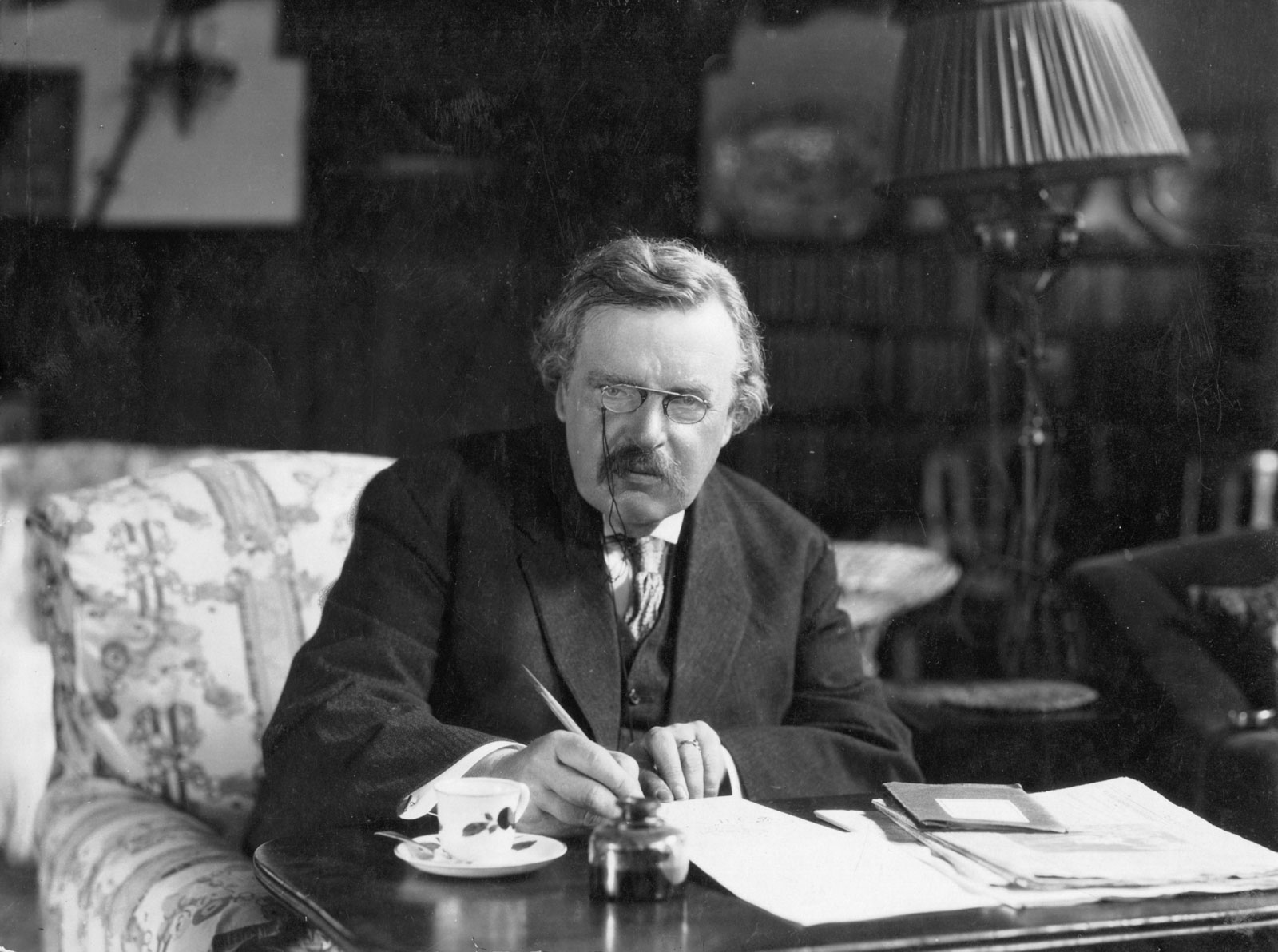
“Men at the close of the dark Ages may have been rude and unlettered and unlearned in everything but wars with heathen tribes, more barbarous than themselves, but they were clean. They were like children; the first beginnings of their rude arts have all the clean pleasure of children. We have to conceive them in Europe as a whole living under little local governments, feudal in so far as they were a survival of fierce wars with the barbarians, often monastic and carrying a far more friendly and fatherly character, still faintly imperial as far as Rome still ruled as a great legend. But in Italy something had survived more typical of the finer spirit of antiquity; the republic, Italy, was dotted with little states, largely democratic in their ideals, and often filled with real citizens. But the city no longer lay open as under the Roman peace, but was pent in high walls for defence against feudal war and all the citizens had to be soldiers.”
― G.K. Chesterton ,
Be the first to react on this!



Group of Brands


















© 2025 Bibleportal.com All rights reserved.
Gilbert Keith Chesterton was one of the most influential English writers of the 20th century. His prolific and diverse output included journalism, philosophy, poetry, biography, Christian apologetics, fantasy and detective fiction.
Chesterton has been called the "prince of paradox". Time magazine, in a review of a biography of Chesterton, observed of his writing style: "Whenever possible Chesterton made his points with popular sayings, proverbs, allegories—first carefully turning them inside out.