
Quote by George MacDonald

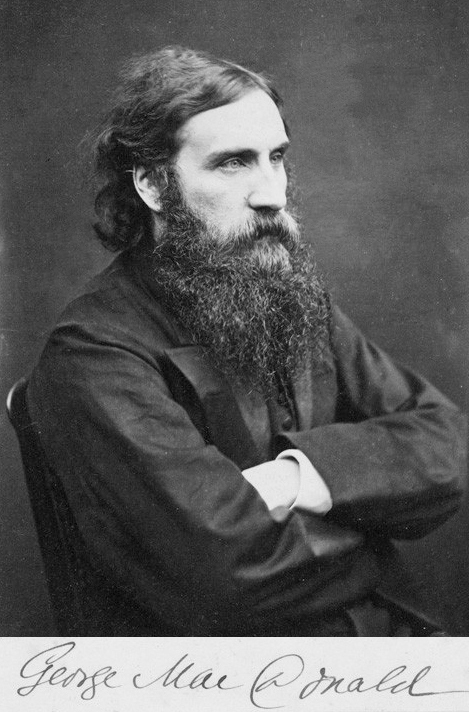
“(...) Kim dayanabilir zamanın kırbacına? Zorbanın kahrına, gururunun çiğnenmesine, Sevgisinin kepaze edilmesine, Kanunların bu kadar yavaş Yüzsüzlüğün bu kadar çabuk yürümesine. Kötülere kul olmasına iyi insanın Bir bıçak saplayıp göğsüne kurtulmak varken? Kim ister bütün bunlara katlanmak Ağır bir hayatın altında inleyip terlemek. Ölümden sonraki bir şeyden korkmasa, O kimsenin gidip de dönmediği bilinmez dünya Ürkütmese yüreğini? Bilmediğimiz belalara atılmaktansa Çektiklerine razı etmese insanı? Bilinç böyle korkak ediyor hepimizi: Düşüncenin soluk ışığını bulandırıyor Yürekten gelenin doğal rengini. Ve nice büyük, yiğitçe atılışlar Yollarını değiştirip bu yüzden Bir iş, bir eylem gücünü yitiriyorlar. (...)”
Be the first to react on this!



Grupo de marcas


















© 2025 Bibleportal.com Reservados todos los derechos.
George MacDonald was a Scottish author, poet, and Christian minister.
Known particularly for his poignant fairy tales and fantasy novels, George MacDonald inspired many authors, such as W. H. Auden, J. R. R. Tolkien, C. S. Lewis, E. Nesbit and Madeleine L'Engle. G. K. Chesterton cited The Princess and the Goblin as a book that had "made a difference to my whole existence."
Even Mark Twain, who initially disliked MacDonald, became friends with him, and there is some evidence that Twain was influenced by MacDonald.
MacDonald grew up influenced by his Congregational Church, with an atmosphere of Calvinism. But MacDonald never felt comfortable with some aspects of Calvinist doctrine; indeed, legend has it that when the doctrine of predestination was first explained to him, he burst into tears (although assured that he was one of the elect). Later novels, such as Robert Falconer and Lilith, show a distaste for the idea that God's electing love is limited to some and denied to others.